Author: 99 Media

4 of the Biggest Oil Producers in Latin America


4 of the Biggest Oil Producers in Latin America

Latin American oil production is dominated by Brazil, Mexico and Venezuela, countries that were responsible for about 75% of the region’s total output in 2014. These countries are also giants on the international stage, ranking as the world’s ninth, 10th and 12th biggest oil producers , respectively. Colombia also makes a good showing in the world rankings, coming in at 19th. The following list provides production figures for each of the region’s top four oil producers in addition to a few details on each country’s oil industry.

1. Brazil

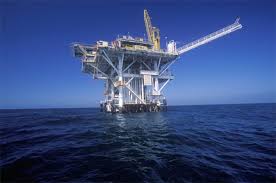
Brazil accounted for oil production of about 2.95 million barrels per day in 2014, continuing a nearly unbroken trend of increasing annual oil production since at least 1980. According to the U.S. Energy Information Administration (EIA), more than 90% of Brazil’s oil production is extracted from deep-water oil fields offshore. In recent years, Brazil has made some of the world’s biggest new oil discoveries in its offshore pre-salt basins. In late 2014, national production estimates were updated to reflect developments of these new fields. The country expects production to rise to 4 million barrels per day by 2022.

Petroleo Brasileiro S.A., also known as Petrobras, is the biggest oil producer in Brazil by a substantial margin, accounting for about 2.1 million barrels per day and over 72% of Brazil’s 2014 oil production. The Brazilian government holds 50.3% of the company’s voting shares and controls another 9.9% of the company through shares held by the Brazilian Development Bank. Petrobras is listed on the BM&FBOVESPA exchange in São Paulo and has American Depositary Receipt (ADR) listings on the New York Stock Exchange. International oil companies operating in Brazil include Chevron Corporation, Royal Dutch Shell plc, BP plc, Repsol S.A. and China Petroleum and Chemical Corporation, also known as Sinopec.

2. Mexico

Mexico produced just more than 2.8 million barrels of oil per day in 2014, roughly in line with production figures from the last five years. This level of production is down from previous decades, mostly due to declining output from mature oil fields. From 1991 to 2010, Mexico maintained oil production above 3 million barrels per day, including eight years exceeding 3.5 million barrels per day. While Mexico maintains its position as the third-largest crude oil exporter in the Americas, it has become a net importer of refined products, primarily gasoline and diesel.

From 1938 to 2013, Mexico’s oil industry was monopolized by the state-owned oil and gas company Petroleos Mexicanos, also known as Pemex. Industry reforms were initiated in 2013 in hopes of attracting greater foreign investment to reverse production declines in the country. Pemex remains under state ownership and as of 2015, controls development rights to 83% of Mexico’s proven reserves of oil.

Mexico has not yet been successful in its efforts to attract significant foreign investment. Two offshore exploration and production blocks have been awarded to a consortium including the London-listed Premier Oil plc; the privately held American company Talos Energy, LLC.; and the privately held Mexican company Sierra Oil & Gas S. de R.L. de C.V. However, 12 other blocks available at the same auction failed to attract sufficient bids. Major oil companies including Chevron, BP and Royal Dutch Shell have expressed interest in entering Mexico but are not producing in the country as of September 2015.

3. Venezuela

Venezuela produced nearly 2.7 million barrels of oil per day in 2014. Production in recent years is down from the prior two decades, when daily production fluctuated around the 3 million barrel mark, including a high of more than 3.5 million barrels per day in 1997. As of 2014, proven oil reserves in Venezuela amount to nearly 298 billion barrels; these are the biggest reserves in the world ahead of Saudi Arabia’s 266 billion barrels and Canada’s 173 billion barrels.

The Venezuelan oil industry is dominated by the state-owned oil and gas company, Petroleos de Venezuela S.A. The company was established in 1976 immediately after nationalization of the oil industry. In the 1990s, reforms were introduced to liberalize the industry, but policy instability has been the norm in the years since, especially after President Hugo Chavez came to power in 1999. In 2006, Chavez introduced policies that required renegotiation of existing joint ventures with international oil companies. International operators were required to grant a 60% minimum share of every project to Petroleos de Venezuela. More than a dozen international companies, including Chevron and Royal Dutch Shell, acceded to the demands. The Venezuelan operations of two companies, Total S.A. and Eni S.p.A., were nationalized after renegotiations failed. Other international companies chose to exit Venezuela soon after, including Exxon Mobil Corporation and ConocoPhillips Co.

Although policy uncertainty remains in Venezuela even after the death of Hugo Chavez in 2013, many international oil and gas companies continue to maintain operations in the country. Chevron and the Chinese oil giant China National Petroleum Corporation both signed investment agreements with Petroleos de Venezuela in 2013 to update and expand on existing joint ventures. In 2015, the Russian energy conglomerate, Rosneft OAO, agreed to a $14 billion investment plan, the largest reported international investment in the Venezuelan oil industry in recent years.

4. Colombia

Columbia accounted for production of just more than 1 million barrels of oil per day in 2014. The country has made substantial production gains in recent years, raising output from under 550,000 barrels per day in 2007. According to the U.S. EIA, recent high rates of growth in oil, gas and coal production in Colombia can be attributed to energy industry reforms introduced in 2003. These reforms primarily worked to make investments in Colombian energy exploration and production more attractive to international companies. International investment in the oil industry reached more than $4.8 billion in 2014, about 30% of total foreign direct investment (FDI) in the country. Colombia attracted only $278 million in oil-sector FDI in 2003.

Prior to the 2003 energy reforms, the Colombian oil and gas industry was controlled by Ecopetrol S.A., a state-owned oil and gas company and industry regulator. The reforms removed regulatory functions from Ecopetrol and opened up Colombia to international competition. Ecopetrol remains under the control of the Colombian state, which holds 88.5% of its outstanding shares. The company is listed on the Colombian Stock Exchange and has ADR listings on the New York Stock Exchange and the Toronto Stock Exchange.

Ecopetrol was responsible for producing about 580,000 barrels of oil per day in 2014, approximately 57% of Colombian production. More than 100 international oil and gas companies operate in Colombia, often in joint ventures with Ecopetrol or other operators. The biggest international oil and gas producers in the country include Chevron; Repsol and its subsidiary Talisman Energy, Inc.; Occidental Petroleum Corporation; and Exxon Mobil.
The 6 Biggest Russian Energy Companies

The 6 Biggest Russian Energy Companies

Russia ranks high among the top energy-producing countries in the world. According to the most recent industry data available, Russia is the world’s single biggest producer of crude oil, the second-biggest producer of natural gas and the sixth-biggest producer of coal. Russia also ranks as the fourth-biggest producer of both nuclear power and hydropower.

Most of Russia’s biggest energy companies, including global giants such as Gazprom, Rosneft, and Lukoil, operate primarily in the oil and gas industry, with interests spanning the full length of the oil and gas supply chain. However, a hydroelectric power company, RusHydro, also makes a showing on this list of Russia’s biggest energy companies by market capitalization.

1. Gazprom

Gazprom is Russia’s biggest energy company by a substantial margin. The company controls the largest natural gas reserves in the world, from which it produced more than 2.6 billion barrel of oil equivalents (BOE) in 2014, accounting for 72% of Russia’s total gas output for the year. Oil production amounted to about 257 million barrels. Additionally, Gazprom’s gas turbine power plants account for about 15% of Russia’s installed power generating capacity. Gazprom is ultimately controlled by the Russian government, which holds just over 50% of the company’s outstanding shares. Its market capitalization is nearly $50.5 billion.

2. Rosneft

Rosneft is Russia’s biggest oil producer, accounting for more than 40% of total output in 2014. The company reported production of more than 1.5 billion barrels, more than double the production of its closest competitor, Lukoil. Rosneft also produced over 345 million BOE of natural gas, making it the third-largest gas producer in the country. Rosneft has a market capitalization of more than $41 billion. Nearly 70% of its outstanding shares are held by the Russian state.

3. Lukoil

Lukoil produced about 707 million barrels of oil and more than 92 million BOE of natural gas in 2014 to place it firmly in the top tier of Russian energy giants. Like Gazprom and Rosneft, Lukoil controls large gas and oil reserves inside Russia in addition to substantial operations outside the country. Although the company’s power generation assets have grown substantially in recent years, it accounts for less than 1% of the country’s installed generation capacity. Lukoil has a market capitalization of more than $28.3 billion.

4. Surgutneftegas

Although Surgutneftegas has no substantial business operations outside Russia, it ranks among the world’s largest 250 companies in any industry. It reported production of about 447 million barrels of oil and more than 55 million BOE of natural gas in 2014. The company also maintains a power generation business primarily to produce electricity for its own oil and gas production and processing operations. Surgutneftegas has a market capitalization of over $19.2 billion.

5. Tatneft

Tatneft is another integrated oil and gas company with primary operations focused on the domestic market. It is a far smaller producer than its Russian rivals, reporting production of about 193 million barrels of oil and about 5.5 million BOE of natural gas in 2014. Tatneft’s production and refining operations are focused in Tatarstan, a republic in the Russian Federation. Roughly 36% of the company’s outstanding shares are held by the Tatarstan government. Tatneft has a market capitalization of more than $10.6 billion.

6. RusHydro

RusHydro is the biggest hydroelectric power company in the Russian utilities industry. As of 2014, the company has a total installed electricity generation capacity of about 38.5 gigawatts, just less than Gazprom’s 39 gigawatts of installed capacity. RusHydro also has ongoing wind, tidal and geothermal energy projects, many of which are still in the research and development phase. The Russian state holds nearly 67% of outstanding shares in RusHydro. The company has a market capitalization of nearly $3.5 billion.

Here are the 5 biggest Russian oil companies

As the world’s third-largest oil producer and second-largest natural gas producer, Russia is home to some of the biggest integrated oil and gas companies in the world. In fact, Russia’s biggest companies by oil production volume include several mainstays on lists of the world’s biggest companies.

All of Russia’s largest oil companies maintain substantial upstream and downstream oil and gas operations, including sprawling exploration and production divisions, petroleum refineries and petrochemical plants, and retail service stations. The top five oil companies are ranked here according to oil production volume in 2014, the most recent year for which figures are available.

1. Rosneft

Rosneft is Russia’s biggest oil company, with reported production of about 1.5 billion barrels in 2014. The company also ranks as Russia’s third biggest natural gas company, with production amounting to more than 345 million barrel of oil equivalents (BOE). Rosneft has a market capitalization of nearly $38.7 billion, making it the highest publicly valued company in this list.

Rosneft maintains exploration and production activities across Russia and in 10 other countries, including the United States, Canada, Brazil, Norway and Vietnam. It operates 13 refineries in Russia and has an interest in seven additional refineries in Western and Eastern Europe. Rosneft also operates a network of over 2,400 retail gasoline service stations and is Russia’s largest supplier of jet fuel.

2. Lukoil

Lukoil produced nearly 707 million barrels of oil in 2014 and ranked as the second-biggest producer in the country. The company’s natural gas production came in at more than 92 million BOE on the year. It has a market capitalization of more than $27.7 billion.

In addition to gas and oil exploration and production activities across Russia, Lukoil operates in 12 other countries in Europe, Africa and the Middle East. Its refining and petrochemical operations include six refineries in Russia and an interest in five more refineries in New Zealand and Europe. Lukoil also operates power generation facilities in Russia and gasoline service stations in Russia, Europe and the U.S.

3. Gazprom Neft

Gazprom Neft is a subsidiary of the Russian energy giant Gazprom. Although Gazprom Neft has an independent listing on the Moscow Exchange, its parent holds more than 95% of its outstanding shares. The Russian government, in turn, holds 50% of Gazprom shares.

Gazprom Neft produced about 482 million barrels of oil in 2014. Natural gas production amounted to about 104 million BOE during the year. The company has production operations in Russia, Iraq, Venezuela and several other countries. It operates four refineries in Russia and another in Belarus. Nearly 1,750 Gazprom Neft service stations operate in Russia and Europe. Gazprom Neft has a market capitalization of nearly $10.5 billion.

4. Surgutneftegas

Surgutneftegas falls just behind Gazprom Neft with crude oil production of nearly 447 million barrels in 2014. Gas production rose to about 55.3 million BOE on the year. The company’s operations are mostly confined to the domestic market. In addition to its exploration and production activities, the company operates a refinery and a gas processing plant, produces petrochemicals, and runs a power generation business. Surgutneftegas also operates nearly 300 service stations. It has a market capitalization of over $18.5 billion.

5. Tatneft

Tatneft produced almost 193 million barrels of oil in 2014, in addition to gas production of almost 5.5 million BOE. The company produces oil and gas primarily within Russia, although international projects are in development. Tatneft operates a refining and petrochemical complex, a second refining facility and a gas processing plant. A tire manufacturing facility is housed in the refining and petrochemical complex, where a total of 12.5 million tires were produced in 2013. Tatneft distributes refined petroleum products through its network of more than 650 service stations in Russia, Ukraine and Belarus. The company has a market capitalization of more than $9.7 billion.

Here are the 5 Largest Chinese Oil Companies (SNP)

China’s biggest crude oil companies are state-owned energy conglomerates with sprawling international operations in oil and gas exploration and production; petroleum and chemical processing; storage and transportation; and many other functions along the oil and gas supply chain. This list includes the top five Chinese producers of crude oil by volume, ranked according to gross revenues reported in 2014 consolidated financial statements.

China Petroleum & Chemical Corp.

China Petroleum and Chemical Corp. (NYSE: SNP), known as Sinopec, is an oil, gas and chemical giant with more than $440 billion in consolidated revenue. The company produced nearly 361 million barrels of crude oil in 2014. Domestic oil production amounted to roughly 311 million barrels, while production from overseas oil fields amounted to about 50 million barrels. Sinopec takes the top spot in this list on the basis of its consolidated revenue, but it is China’s second-biggest crude oil producer by volume.

Sinopec maintains vast operations along the full length of the oil supply chain, from exploration and drilling to retail sales at more than 30,000 gasoline service stations. Sinopec was established in 1998 after the reorganization of its predecessor company, China Petrochemical Corporation. Sinopec issued shares on the Hong Kong Stock Exchange in 2000. It has since been listed on the Shanghai Stock Exchange and the New York Stock Exchange.

China National Petroleum Corporation

China National Petroleum Corporation, or CNPC, is the second-biggest Chinese crude oil producer by consolidated revenue and the biggest by production volume. In 2014, the company reported more than $425 billion in consolidated revenue and production of nearly 1.2 billion barrels of crude oil. Domestic crude oil production amounted to about 830 million barrels, while overseas production topped 368 million barrels.

Like Sinopec, CNPC operates businesses along the full length of the oil supply chain, from initial exploration to retail. Most CNPC operations are organized under a subsidiary company, PetroChina. PetroChina was established in 1999 and listed on the New York Stock Exchange and the Hong Kong Stock Exchange in 2000. It was listed on the Shanghai Stock Exchange in 2007.

China National Offshore Oil Corporation

China National Offshore Oil Corporation, known as CNOOC, was established in 1982 to focus on oil and gas exploration and production in China’s offshore waters. It has since developed into an international company with operations in more than 40 countries. CNOOC posted more than $95 billion in consolidated revenue in 2014. Crude oil production topped 501 million barrels, with more than 289 million barrels from domestic oil fields and 212 million barrels originating overseas.

In addition to oil and gas exploration and production, CNOOC is also engaged in refining, power generation, retail marketing, and engineering and technical services. Most of the company’s primary operations are organized under its subsidiary, CNOOC Limited. CNOOC Limited was established in 1999 and listed on the New York Stock Exchange and the Hong Kong Stock Exchange in 2001.

Sinochem Group

Sinochem Group was established in 1950 during the reorganization of China’s largest international trading firm, China National Chemicals Import & Export Corporation. Sinochem Group remains the largest chemical company in the country but has expanded its operations to include energy, real estate, agriculture and financial services.

Sinochem Group reported consolidated revenue of more than $77 billion dollars in 2014. It began serious development of its oil and gas business in 2003 and has since acquired rights to 39 blocks of oil and gas reserves in 11 countries. It reported production of more than 25 million barrels of oil, making it China’s fifth largest crude oil producer by volume. Sinochem Group owns more than 300 subsidies. Three subsidiaries, Sinochem International, Franshion Properties and Sinofert, are listed on the Shanghai Stock Exchange.

Yanchang Petroleum

Yanchang Petroleum traces its history to 1905 and the first oil enterprise established in China, the Yanchang Oil Plant. The company engages in oil and gas exploration and production and refining operations in locations around the world. It reported consolidated revenue of nearly $2.9 billion in 2014. Crude oil production amounted to more than 91.5 million barrels. Most of Yanchang Petroleum’s primary operations are organized under its subsidiary Yanchang Petroleum International Limited, which is listed on the Hong Kong Stock Exchange.

Here are the 5 Largest Chinese Insurance Companies

The Chinese insurance market has grown at a furious pace in recent years. Between 2000 and 2014, the industry grew about 1,200% in size as measured by written premiums. During this same period, most of the largest Chinese insurance companies listed shares on the Hong Kong Stock Exchange and other exchanges as part of an effort to reform the industry by reducing government control, increasing transparency, and exposing the companies to the demands of the market and shareholders. Today, the biggest insurance companies in China rank among the largest companies in the world in terms of market capitalization.

China Life Insurance Co., Ltd.

With a market capitalization of about $107 billion, China Life Insurance Co., Ltd. (NYSE: LFC) is the biggest insurance company in China and one of the top insurance companies in the world. China Life traces its roots to the founding of the People’s Republic of China in 1949. It operates life insurance and property and casualty insurance businesses, and it also offers asset management services and other financial services.

China Life maintains a substantial nationwide service network, with nearly 750,000 dedicated agents and more than 60,000 service outlets. The company’s customer base approaches a combined 200 million people in individual and group life insurance policies, long-term health insurance policies and annuities. China Life is listed on the Shanghai Stock Exchange, the Hong Kong Stock Exchange and the New York Stock Exchange.

Ping An of China

Ping An of China was founded in 1988 and held its initial public offering (IPO) in 2004. While the company began as a property and casualty insurance company, it has since expanded into the life insurance, banking, online financial services and wealth management businesses with the stated goal of becoming a comprehensive financial services provider. It has a market capitalization of about $90 billion.

Ping An employs more than 225,000 full-time employees and partners with more than 625,000 sales agents across China. The company counts more than 89 million customers across its business units. Ping An is listed on the Shanghai Stock Exchange and the Hong Kong Stock Exchange.

China Pacific Insurance

China Pacific Insurance Group is an integrated insurance provider offering property and casualty insurance, life insurance and reinsurance products, as well as asset management and investment services. The company counts more than 300,000 agents across its businesses and serves about 80 million customers across the country. China Pacific Insurance traces its roots to 1991. It was listed on the Shanghai Stock Exchange in 2007 and the Hong Kong Stock Exchange in 2009. It has a market capitalization of more than $33 billion.

People’s Insurance Company of China Group

People’s Insurance Company of China Group was established in 1949. Today, its subsidiaries count more than 300 million customers in property and casualty insurance, life insurance, health insurance, and real estate. Its most substantial subsidiary is PICC Property and Casualty Company, which sells a wide variety of non-life insurance products, including auto, homeowners, commercial property and agricultural policies. People’s Insurance Company of China Group owns approximately 69% of outstanding PICC Property and Casualty shares. People’s Insurance Company of China Group is listed on the Hong Kong Stock Exchange. It has a market capitalization of about $21 billion.

New China Life Insurance

New China Life Insurance Company was founded in 1996 and has quickly grown into a top-five company in the industry. While its primary business remains life insurance, the company also has growing business interests in the investment industry and the health care industry. New China Life Insurance counts more than 26 million customers, 175,000 agents and 1,600 business locations across the country. The company was listed on both the Hong Kong Stock Exchange and the Shanghai Stock Exchange in 2011. It has a market capitalization of more than $17 billion.

Best Tips – How To Buy Stock In Insurance Companies

Insurance companies offer products that most of us need and in doing so take on many of the risks that we don’t want. Insurance companies tend to be viewed as big, relatively boring financial institutions, but they are, in fact, in the business of protecting others from financial harm and risk management.

Historically, insurance companies were structured as mutual companies, owned by the policyholders and operated only for the benefit of policyholders. On the other hand, stock companies are owned by shareholders and they seek to maximize return to shareholders. In recent years, many mutual companies have converted into stock companies in a process called demutualization. Because mutual companies do not issue shares to the public, only stock companies can be invested in the stock market.

Insurance companies sell policies that promise to payout a benefit to the policyholder if a covered event occurs during the term of the policy. With life insurance, the covered event would be death of the insured. With homeowners insurance that might be a house fire, storm damage or theft.

In exchange for the insurance coverage, the policyholder pays the insurer premiums, which are invested to earn a profit for the company until they are needed to pay out claims

Investing in Insurance Companies
Insurance companies have unique circumstances that make their analysis different from other financial institutions such as banks or lenders.

All insurance companies have a set of future liabilities that they are contractually obliged to pay out given a qualifying event. As a result, they must invest premiums received conservatively in order to have a ready reserve of liquid assets on hand to pay out those claims. Insurance company portfolio managers utilize asset-liability management (ALM) by matching assets to liabilities; rather than the more familiar asset-only management that looks to maximize return while minimizing portfolio risk.

Insurance company portfolios are therefore largely made up of fixed-income securities like high-quality bonds issued by the U.S. government or AAA-rated bonds from large corporations.

Generally speaking, there are two general types of insurance companies outside the health sector: Life insurance and property and casualty insurance. Each has special considerations that investors should consider.

Life Insurance Companies
When evaluating life insurance companies, it is important to know that government regulation directs them to maintain an asset valuation reserve (AVR) as a cushion against substantial losses of portfolio value or investment income. Therefore, these companies tend to have less financial leverage at work than other kinds of financial institutions. This poses potential valuation problems since it implies that insurers value assets at market value but liabilities at book value.

Actuarial science has developed mortality tables that are very good at determining on average when life insurance claims will come due as policyholders pass away. The size of those liabilities are also known in advance because life insurance policies are issued with stated death benefits which do not adjust with inflation. Since both the amount and expected timing of liabilities are fairly well known, these companies seek to invest in portfolios that match the size and duration of those liabilities. The amount of excess return, or the amount by which assets exceed liabilities is referred to as the surplus. Maximizing surplus value and stability are the main objectives of life insurance portfolios. Because life insurance policies typically do not pay a benefit for many years, the investment portfolio of these companies tend to consist of high-quality bonds with maturities many years out.

Life insurance companies must also consider disintermediation risk when policyholders withdraw cash value (take loans against that cash value) from permanent policies causing increased demand for liquidity from the portfolio. This usually occurs during periods of high interest rates. At the same time, high interest rates cause the portfolios of insurers to decline since they are mainly invested in bonds, and the prices of bonds go down as interest rates go up. This combination of factors can lead to increased volatility of returns and greater risk during periods of high interest rates.

Some of the largest publicly listed life insurance companies are: MetLife (MET), Prudential (PRU), Genworth Financial (GNW), Lincoln National (LNC), AXA (AXAHY:OTC) and Aegon (AEG).

Investing in Property & Casualty Companies
Asset-liability management is crucial to property and casualty companies as well, but the risk exposures of these companies vary from life insurers in a number of areas. While the product offerings are more diverse – home, automobile, motorcycle, boat, liability, umbrella, flood etc. – the durations of these liabilities are much shorter: generally a year or less per policy. Therefore, the investment portfolios of these companies will tend to consist of high-quality bonds with maturities of a few months to a year.

Additionally, claims can take a long time to be resolved and paid out. The claims process can be contentious and possibly spend years in litigation before the claim is paid – if it is paid at all.

Many non-life policies also carry inflation risk, as the policies promise to fully replace the value of an item, even if that item is nominally more expensive in the future due to inflation. Taken together, both the timing and amount of liabilities are more uncertain than for life companies.

Property and casualty insurance companies also undergo an underwriting cycle or profitability cycle, which typically lasts 3-5 years. During period of intense business competition, prices on policies are reduced to retain business and capture market share (think of all the advertisements claiming to lower the cost of your car insurance). Frequently, prices of securities in the insurance company’s portfolio fall below sustainable levels and lead to losses as claims on policies are paid out. The company must then liquidate portfolio assets to supplement cash flow, and share prices may drop. Insurers are forced to raise the prices of policies and profitability begins to grow once again, opening the door for renewed competition. As a result, property casualty insurance companies will tend to invest in a portfolio of taxable bonds during the period of the cycle where losses occur and switch to non-taxable bonds such as municipal bonds during periods of positive profits.

Some of the largest property and casualty insurance companies listed on stock exchanges where investors can buy shares are: Allstate (ALL), Progressive (PGR), Berkshire Hathaway (which owns Geico and a number of other insurance companies), Travelers (TRV), and Zurich (ZURVY:OTC).

The Bottom Line
Knowing the special circumstances that insurance companies operate under helps in evaluating whether or not a listed insurance company is a good investment and whether the economic environment is conducive to profitability for these companies.

High interest rate environments can be detrimental to life insurance companies as they face disintermediation risk. Property and casualty insurance companies are subject to the ebbs and flows of the profitability cycle. Being able to recognize when the economics of these industries are changing might make for buy or sell signals accordingly. Also keeping in mind the duration and maturities of the bonds in the portfolios of different kinds of insurance companies can help determine how change in interest rates will effect each.

Insurance Premium

What is Insurance Premium

An insurance premium is the amount of money that an individual or business must pay for an insurance policy. The insurance premium is income for the insurance company, once it is earned, and also represents a liability in that the insurer must provide coverage for claims being made against the policy.

BREAKING DOWN Insurance Premium
The price of an insurance premium for a given insurance policy can vary and depends on a variety of factors. Among those factors are the type of insurance coverage, the likelihood of a claim being made, the area where the policyholder lives or operates a business, the behavior of the person or business being covered, and the amount of competition that the insurer faces. For example, the likelihood of a claim being made against a teenage driver living in an urban area may be higher or lower compared to a teenage driver in a suburban area. In general, the greater the risk associated with a policy, the more expensive the insurance policy will be.

Policyholders may choose from a number of options for paying their insurance premiums. Some insurers allow the policyholder to pay the insurance premium in installments, such as monthly or semi-annual payments, or may require the policyholder to pay the total amount before coverage starts.

Insurance premiums may increase after the policy period ends. The insurer may increase the premium if claims were made during the previous period, if the risk associated with offering a particular type of insurance increases, or if the cost of providing coverage increases.

Insurers use the insurance premium to cover the liabilities associated with the policies they underwrite. They may also invest the premium in order to generate higher returns and offset some of the costs of providing the insurance coverage, which can help an insurer keep prices competitive. Insurers will invest the premiums in assets with varying levels of liquidity and return, but they are required to maintain a certain level of liquidity. State insurance regulators set the amount of liquid assets required to ensure insurers can pay claims.

Actuaries, Artificial Intelligence and the Future of Insurance Premium Prices
Generally, insurance companies employ professionals known as actuaries to determine risk levels and premium prices for a given insurance policy. The emergence of sophisticated algorithms and artificial intelligence is fundamentally changing how insurance is priced and sold, and there is an active debate happening between those who say algorithms will replace human actuaries in the future and those who contend the increasing use of algorithms will require greater participation of human actuaries and send the profession into a “next level.”

Lawyer Salary

Salaries for lawyers starting out at firms have remained flat, with an annual pay of $160,000 continuing to be the top of the market, according to a new survey from the National Association for Law Placement.

Some 39 percent of the largest firms — those with 700 lawyers or more — reported paying that amount in the association’s 2015 law associates’ salary survey. This was up from last year, when only 27 percent of the big firms reported paying their new legal hires at the uppermost level.

But the percentage was still below 2009, when nearly two-thirds of the first-year salaries were at the top point of $160,000.

The reason is not that individual firms are paying less, said James G. Leipold, executive director of National Association for Law Placement, but “as more law firms have grown through acquisition and merger, the largest law firms are not as similar to one another as they used to be.”

Mr. Leipold added that there were many firms with more than 700 lawyers that have many smaller regional offices, many of which don’t pay the benchmark first-year salary of $160,000. As a result, he added, “a larger percentage of large law firm starting salaries fall below that mark.”

There are certainly exceptions, with some first-year associates making more than the $160,000 figure. But, for the most part, the ceiling seems to have been stuck at that amount since 2007, when some law firms began to increase starting salaries — a practice that soon began to wane as the economy turned down.

“The simple story is that $160,000 as a starting salary at large law firms is less prevalent than it was immediately prior to the recession,” Mr. Leipold explained. “At large law firms, starting salaries of $145,000 and $135,000, and even $110,000 are common in some markets, though $160,000 is still the dominant or modal salary in large markets.”

In the biggest legal markets — including Boston, Chicago, Los Angeles, New York and Washington — $160,000 is the most common salary at the largest firms that reported paying first years. Only about 60 percent of the largest firms with offices in Los Angeles and Washington said they paid the top amount now — a significant drop from 2009, when 90 percent of firms said they did so.

In New York, however, “the $160,000 starting salary is almost universal,” Mr. Leipold noted. About 85 percent of firms in the city with at least 250 lawyers are paying that amount; about 90 percent of firms with 700 or more lawyers paid first-year hires that amount.

Of course, a newly minted lawyer still can take home more than the top salary: Even first-year lawyers are eligible for annual bonuses that can be in the tens of thousands of dollars at elite firms.

The association said 556 law offices from across the country responded to the survey. Over all, the national median first-year salary at firms of any size was $135,000. That is a rise of $10,000 since 2014, but the association said that fewer smaller firms responded this year than in previous years.

Mortgage Insurance

What is Mortgage Insurance

Mortgage insurance is an insurance policy that protects a mortgage lender or title holder in the event that the borrower defaults on payments, dies or is otherwise unable to meet the contractual obligations of the mortgage. Mortgage insurance can refer to private mortgage insurance (PMI), qualified mortgage insurance premium (MIP) insurance or mortgage title insurance. What these have in common is an obligation to make the lender or property holder whole in the event of specific cases of loss. Mortgage life insurance, on the other hand, which sounds similar, is designed to protect heirs if the borrower dies while owing mortgage payments. It may pay off either the lender or the heirs, depending on the terms of the policy.

BREAKING DOWN Mortgage Insurance

Mortgage insurance may come with a typical pay-as-you-go premium payment, or it may be capitalized into a lump-sum payment at the time of mortgage origination. For homeowners who are required to have PMI because of the 80% loan-to-value ratio rule, they can request that the insurance policy be canceled once 20% of the principal balance has been paid off. Here are three types of mortgage insurance:

Private Mortgage Insurance

Private mortgage insurance (PMI) is a type of mortgage insurance a borrower might be required to buy as a condition of a conventional mortgage loan. Like other kinds of mortgage insurance, PMI protects the lender, not the borrower. PMI is arranged by the lender and provided by private insurance companies. PMI is usually required if a borrower gets a conventional loan with a down payment of less than 20%. A lender might also require PMI if a borrower is refinancing with a conventional loan and equity is less than 20% of home value.

Qualified Mortgage Insurance Premium

When you get an FHA mortgage, you will be required to pay a qualified mortgage insurance premium, which provides a similar type of insurance. MIPs have different rules, including that everyone who has an FHA mortgage must buy this type of insurance, regardless of the size of their down payment.

Mortgage Title Insurance

Mortgage title insurance protects against loss in the event a sale is later invalidated because of a problem with the title. Mortgage title insurance protects a beneficiary against losses if it is determined at the time of the sale that someone other than the seller owns the property.

Before mortgage closing, a representative, such as a lawyer or title company employee, performs a title search. The process is designed to uncover any liens placed on the property that would prevent the owner from selling. A title search also verifies that the real estate being sold belongs to the seller. Despite a thorough search, it isn’t hard to miss important pieces of evidence when information is not centralized.

Mortgage Protection Life Insurance

Borrowers are often offered mortgage protection life insurance when they fill out paperwork to start a mortgage. A borrower can decline this insurance when it is offered, but you may be required to sign a series of forms and waivers, verifying your decision. The intent of this extra paperwork is to prove you understand the risks associated with having a mortgage.

Payouts for mortgage life insurance can be either declining-term (the payout drops as the mortgage balance drops) or level, although the latter costs more. The recipient of the payments can be either the lender or the heirs of the borrower, depending on the terms of the policy.

Insurance Definition


What is Insurance

Insurance is a contract, represented by a policy, in which an individual or entity receives financial protection or reimbursement against losses from an insurance company. The company pools clients’ risks to make payments more affordable for the insured.

Insurance policies are used to hedge against the risk of financial losses, both big and small, that may result from damage to the insured or her property, or from liability for damage or injury caused to a third party.

BREAKING DOWN Insurance

There are a multitude of different types of insurance policies available, and virtually any individual or business can find an insurance company willing to insure them, for a price. The most common types of personal insurance policies are auto, health, homeowners, and life. Most individuals in the United States have at least one of these types of insurance, and car insurance is required by law.

Businesses require special types of insurance policies that insure against specific types of risks faced by the particular business. For example, a fast food restaurant needs a policy that covers damage or injury that occurs as a result of cooking with a deep fryer. An auto dealer is not subject to this type of risk but does require coverage for damage or injury that could occur during test drives. There are also insurance policies available for very specific needs, such as kidnap and ransom (K&R), medical malpractice, and professional liability insurance, also known as errors and omissions insurance.

Insurance Policy Components

When choosing a policy, it is important to understand how insurance works. Three important components of insurance policies are the premium, policy limit, and deductible. A firm understanding of these concepts goes a long way in helping you choose the policy that best suits your needs.

A policy’s premium is its price, typically expressed as a monthly cost. The premium is determined by the insurer based on your or your business’s risk profile, which may include creditworthiness. For example, if you own several expensive automobiles and have a history of reckless driving, you will likely pay more for an auto policy than someone with a single mid-range sedan and a perfect driving record. However, different insurers may charge different premiums for similar policies; so, finding the price that is right for you requires some legwork.

The policy limit is the maximum amount an insurer will pay under a policy for a covered loss.  Maximums may be set per period (e.g., annual or policy term), per loss or injury, or over the life of the policy, also known as the lifetime maximum.  Typically, higher limits carry higher premiums.  For a general life insurance policy, the maximum amount the insurer will pay is referred to as the face value, which is the amount paid to a beneficiary upon the death of the insured.

The deductible is a specific amount the policy-holder must pay out-of-pocket before the insurer pays a claim.  Deductibles serve as deterrents to large volumes of small and insignificant claims.  Deductibles can apply per-policy or per-claim depending on the insurer and the type of policy.

Policies with very high deductibles are typically less expensive because the high out-of-pocket expense generally results in fewer small claims. In regards to health insurance, people who have chronic health issues or need regular medical attention should look for policies with lower deductibles. Though the annual premium is higher than a comparable policy with a higher deductible, less expensive access to medical care throughout the year may be worth the trade-off.